Some places are not merely destinations; they become silent companions in our journey through life. They hold fragments of childhood, echoes of laughter and memories that time cannot erase. For me, Sukhna Lake is one such place—a timeless companion that has quietly grown with me, witnessing different chapters of my life.
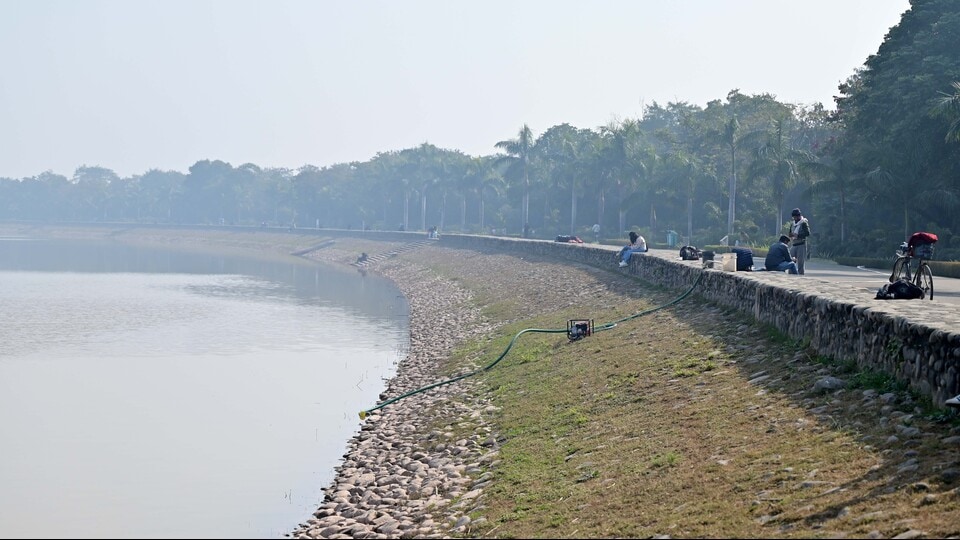
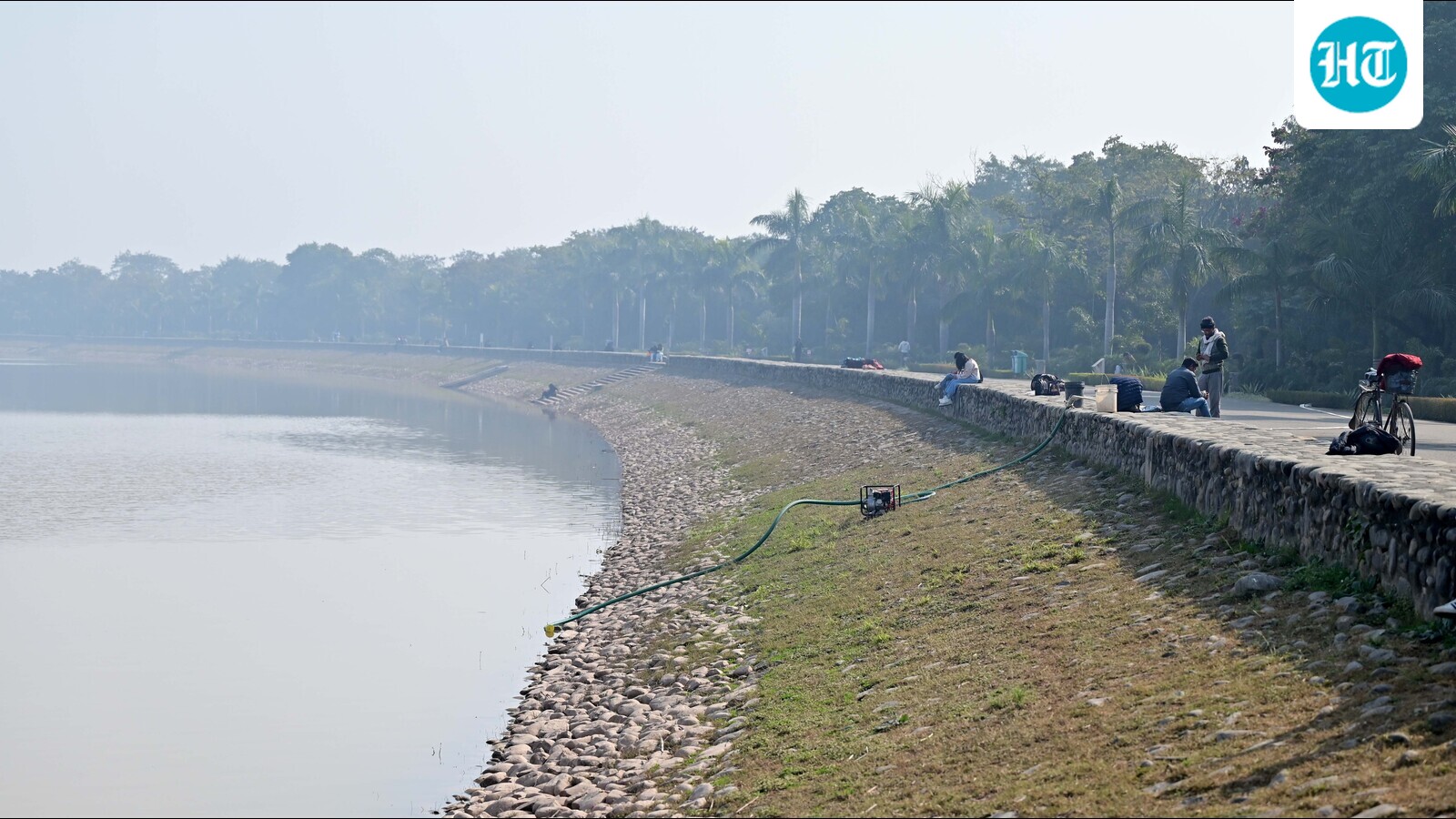
The news of Sukhna Lake’s recognition as a Ramsar Site fills me with immense pride. Beyond its ecological significance, however, lies a deeply personal connection woven through decades of cherished memories. My earliest recollections of Sukhna are of carefree childhood days spent playing along its promenade, mesmerised by its shimmering waters. During school years, I participated in shramdaan, lending my little hands to efforts to protect the lake from siltation.
College and university visits brought a deeper appreciation of its ecological richness. Today, as I walk along those familiar shores with my son, nostalgia gently embraces me. The years have slipped away, but the lake remains, connecting generations through its enduring presence. Recently, while sitting beside Sukhna, I watched my son toss pebbles into its tranquil waters.
Each pebble created ripples that spread briefly before dissolving into stillness. As the water regained its calm, I found myself reflecting on how this familiar lake had silently imparted life’s most meaningful lessons. Its calm waters teach patience, reminding us that not every disturbance deserves a reaction. In a world overwhelmed by noise, haste and endless expectations, Sukhna invites us to slow down, embrace silence and rediscover inner peace. Like ripples, life’s worries eventually settle when we allow ourselves moments of stillness.
Its thriving biodiversity reflects the beauty of interconnectedness, where every living being contributes to nature’s delicate balance. Migratory birds arriving from distant lands find refuge in its welcoming waters, embodying the timeless Indian philosophy of Atithi Devo Bhava. Their seasonal arrival reminds us that generosity transcends boundaries.
Through changing seasons and fluctuating water levels, Sukhna demonstrates resilience. Its evolving shores remind us to embrace change and age gracefully. Its silent presence, witnessing countless joys, sorrows and unspoken dreams, reveals the essence of true friendship.
Sometimes, companionship requires neither words nor explanations, only presence. Above all, the lake embodies selfless love. Like a nurturing mother, it sustains countless lives without expecting anything in return. Perhaps that is why its presence feels so reassuring, offering solace even when life becomes overwhelming. Yet, amid these cherished memories, a concern lingers. Will future generations inherit the same serene waters, vibrant birdlife and comforting tranquillity? Will my son someday walk these shores with his children and experience the same sense of belonging?
The Ramsar recognition must therefore become more than a badge of honour. It must inspire collective responsibility to protect the lake from pollution, preserve its catchment, safeguard biodiversity and ensure that recreation never compromises ecological health. Conservation is not merely the responsibility of authorities; it begins with the everyday choices of citizens who cherish this shared heritage.
As I watch my son create his own memories beside these waters, I realise that Sukhna is not merely part of my past; it is a legacy I wish to preserve for his future.
Sukhna has taught me the art of living. Perhaps the greatest lesson now is learning how to let it live.