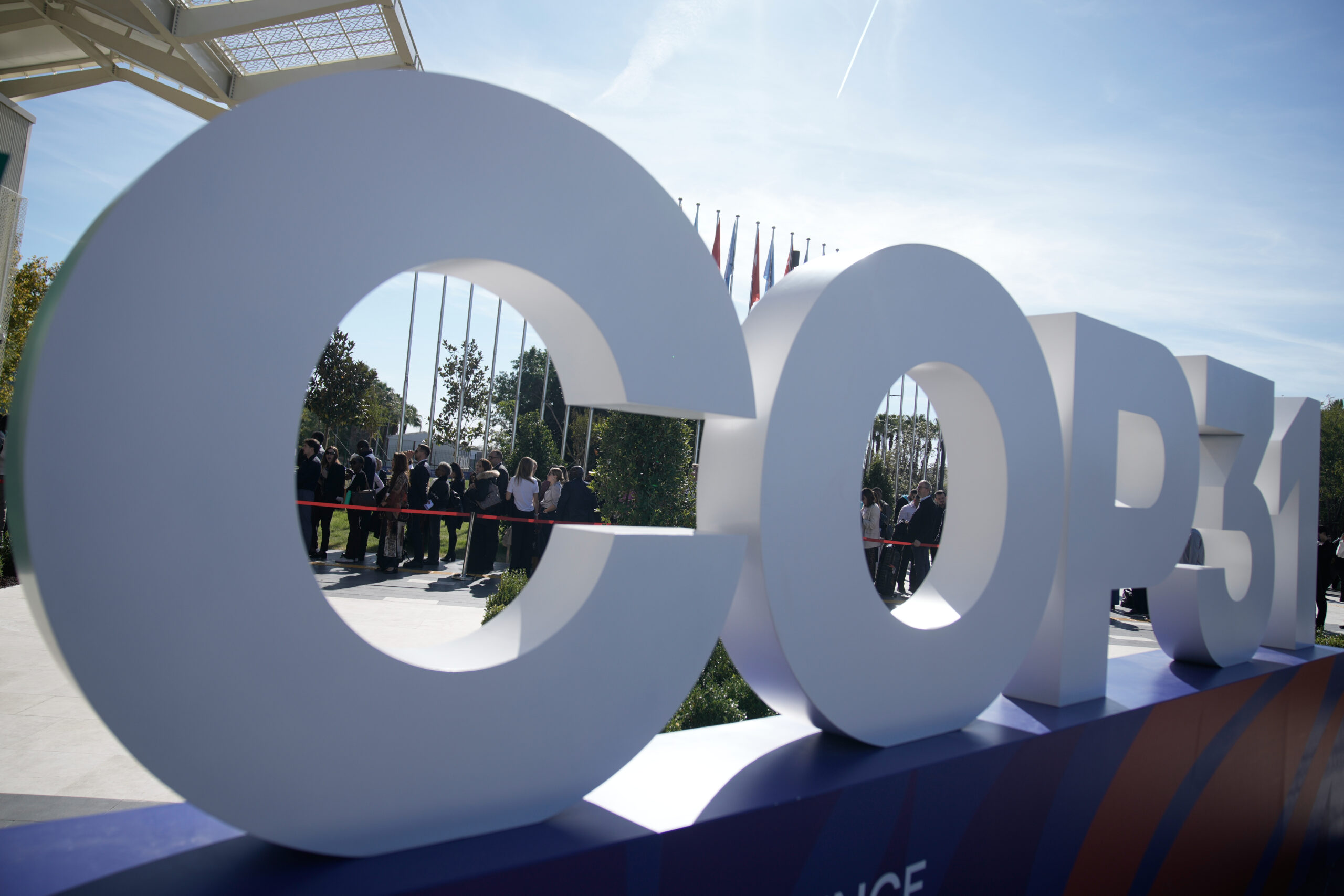

Clean public transport. Energy-efficient buildings. Affordable energy.
Those are a few of the things the president of the UN climate talks — known as COP31 — asked global leaders, delegates and climate activists to pledge as part of the global electrification plan laid out during the world’s largest annual climate summit.
But environmental and human rights organizations caution that without strong safeguards, the mining boom for the minerals and metals needed to make the power lines, batteries, wind turbines and other energy infrastructure that can make the pledge a reality could have serious environmental and human rights impacts across the globe.
Mining has come at a cost to communities and habitats around the globe: Forests have been felled, water supplies poisoned and Indigenous peoples have lost access to land. Rights groups have urged COP31 officials to focus on how to fairly source the materials needed for the transition.
COP31 sets ambitious electrification goal
Turkiye announced that electrification would be one of the main priorities during its copresidency of COP31 with Australia. The “35-by-35” global electrification pledge aims to increase the use of electricity from 21 percent to 35 percent by 2035 to reduce planet-warming greenhouse emissions, preferably from renewable energy such as solar and wind.
The pledge builds on commitments made at previous UN climate summits: At COP28, countries agreed to work toward tripling renewable energy capacity and transitioning away from fossil fuels. COP29 focused on energy storage, grid modernization and climate finance.
The COP31 presidency said electrification is the next logical step, translating earlier pledges into changes in how energy is consumed.
“This transition brings together renewable energy, strong grids, storage capacity, energy efficiency, clean transport and green industry. Each supports the others,” said COP31 President Murat Kurum, who is also Turkiye’s environment minister. “We want people to feel the results of climate talks in daily life: in buildings that use less energy, in clean public transport, in energy they can afford and in new jobs.”
Environmental activists note that the pledge does not require that electricity must come from renewable sources, meaning coal and other fossil fuels could be used. But as countries try to move away from fossil fuels, renewable energy is expected to play a major role.
Experts warn of a mining boom
From Indonesia to Brazil, the boom in demand for the metals and minerals needed to create wind turbines, solar panels, electric vehicle batteries, high-speed railways and other technologies crucial for the renewable energy transition has been underway for some time, according to the International Energy Agency.
Countries are also exploring new ways, like deep-sea mining, to secure their own mineral supplies, especially as the Iran war drives clean energy development.
The 35-by-35 pledge is expected to push demand even higher.
Data released by the Business & Human Rights Resource Center shows those threats are on the rise. The international nonprofit recorded over 300 human rights allegations linked to transition mineral mining in 2025, up 73 percent from the previous year.
And experts warn that a boom in mining would likely lead to an increase in abuses.
“If mining is going to ramp up without proper protections in place, I think we can probably expect to see some of these problems ramp up as well,” said Emily Iona Stewart, the head of policy and advocacy at environmental and human rights group Global Witness.
Environmentalists call for guardrails against abuse
Environmental and human rights groups are urging governments to strengthen safeguards across critical material supply chains.
In an open letter to the COP31 presidencies, over 120 international civil society groups laid out conditions they want met for the 35-by-35 target, including protecting ecosystems, having binding human rights and environmental due diligence, and protecting Indigenous peoples.
“The transition must not repeat the harms of the fossil fuel era or replace one dependency with another,” the letter stated.
Experts said better recycling of already-mined materials is also key to reducing the reliance on mining. The IEA estimates that a successful scaleup of recycling could also lower the need for new mining by 25‑40 percent by 2050.
Yet, most countries don’t have waste management programs or supportive regulations that would enable recycling, according to the IEA.
Rights experts also point out that the official negotiations and main talking points of COP31 do not contain explicit language on critical minerals and mining, leaving the door open for mining abuses to spread.
“If we want to do good by communities, bringing electricity to communities who don’t have it right now is a basic human need and right,” said Aimee Boulanger, executive director of the Initiative for Responsible Mining Assurance. “But we can’t do good by some communities by doing inherent harm against others where the raw materials are extracted.”
The COP31 presidencies — Turkiye is the official host while Australia is leading the negotiations — did not respond to requests for comment.