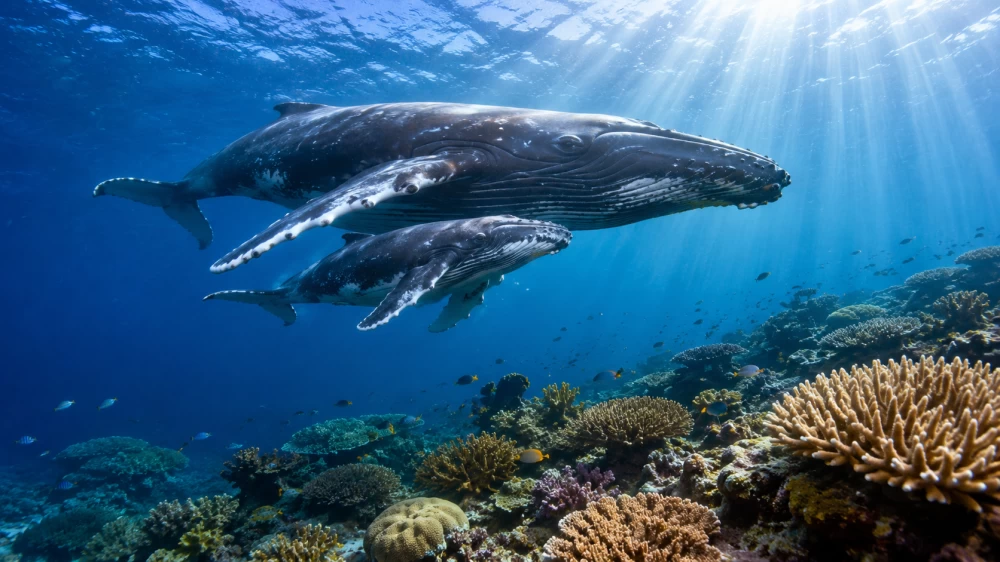

شهد الحاجز المرجاني العظيم في أستراليا عودة أعداد كبيرة من الحيتان الحدباء، في مشهد يعكس التعافي الملحوظ لأعدادها بعد عقود من التراجع الذي سببه الصيد التجاري.
وتأتي هذه الحيتان ضمن نحو 50 ألف حوت تهاجر سنويًا بمحاذاة الساحل الشرقي لأستراليا، متنقلة بين مناطق التكاثر في المياه الشمالية ومناطق التغذية في الجنوب.
عقود من التعافي
جاء هذا التعافي بعد توقف صيد الحيتان في أستراليا عام 1978، وهو ما أسهم في استعادة أعدادها تدريجيًا وعودتها إلى مناطق انتشارها الطبيعية.
من مشاهدات نادرة إلى مئات الحيتان
وأوضح كبير العلماء في هيئة متنزه الحاجز المرجاني العظيم البحرية، روجر بيدن، أن تعافي أعداد الحيتان يمثل ثمرة عقود من جهود المحافظة على البيئة.
وأشار إلى أن مشاهدة حوت واحد في المنطقة كانت تُعد أمرًا نادرًا في السابق، في حين بات من الممكن اليوم مشاهدة المئات منها.
The Great Barrier Reef in Australia has witnessed a return of large numbers of humpback whales, in a scene that reflects the remarkable recovery of their population after decades of decline caused by commercial whaling.
These whales are part of around 50,000 whales that migrate annually along the eastern coast of Australia, moving between breeding areas in the northern waters and feeding grounds in the south.
Decades of Recovery
This recovery came after whaling was halted in Australia in 1978, which contributed to the gradual restoration of their numbers and their return to their natural distribution areas.
From Rare Sightings to Hundreds of Whales
Roger Beeden, the chief scientist at the Great Barrier Reef Marine Park Authority, explained that the recovery of whale numbers is the result of decades of environmental conservation efforts.
He noted that seeing a single whale in the area was considered a rare occurrence in the past, whereas today it is possible to see hundreds of them.